
Kinokuniya NYC is a central hub for Japanese pop culture! Find the latest manga, anime figures, light novels, and exquisite Japanese stationery in Manhattan.
What Makes Kinokuniya Special?
Kinokuniya NYC was my quiet respite during my college years when I was stressed out and needed to surround myself amongst things that made me happy.
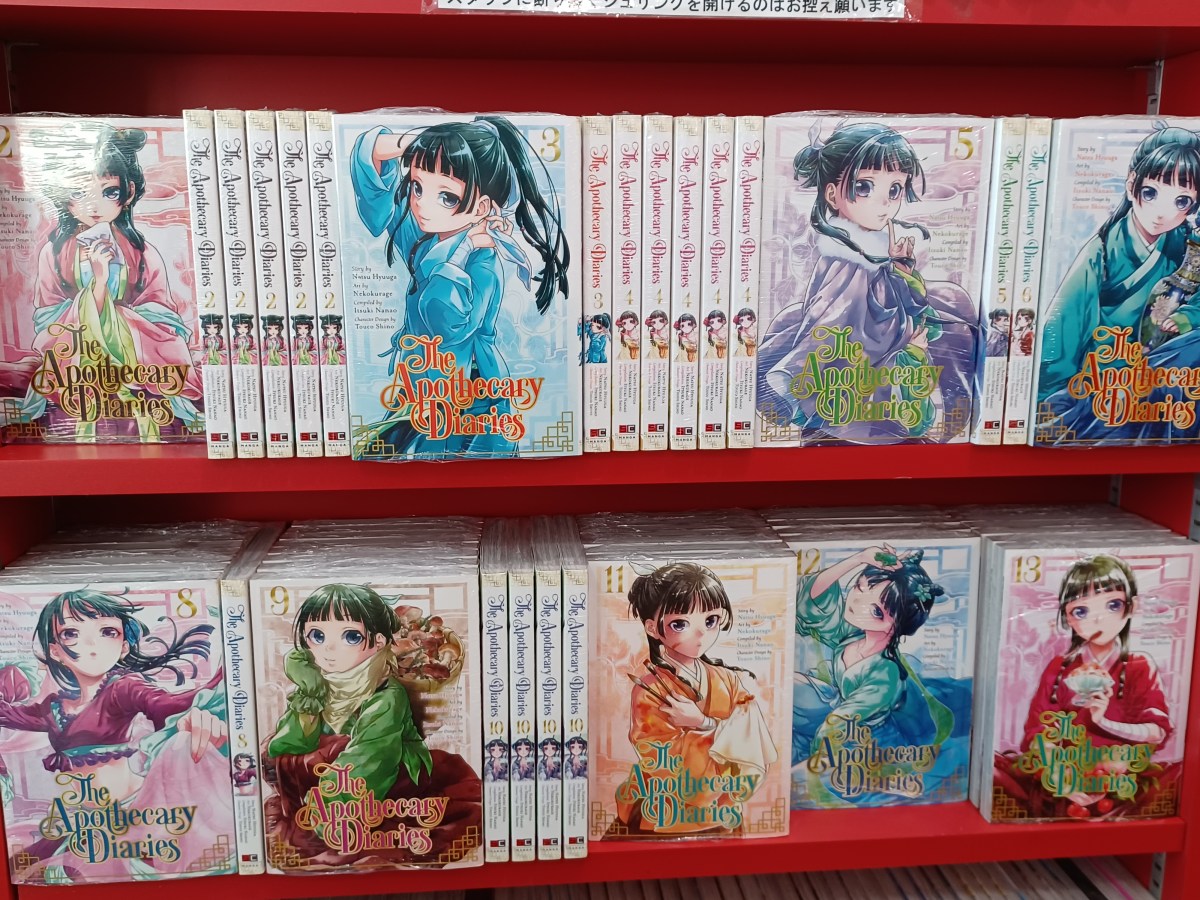
Today, Kinokuniya NYC has changed so much, and it feels so good to see how the audience has shifted over the years. The store now caters to an international audience who all grew up watching anime and reading manga, with the new addition of light novels, anime figures, trading cards, and even webtoons!


A little over 10 years ago now, I started frequenting the bookstore. Back then, I was one of the few people hanging out upstairs in the manga section – the café was always popular.
Downstairs in the basement, you had the selection of ever-rotating Studio Ghibli and Sanrio merch, alongside Japanese literature, Japanese language learning textbooks, and stationery supplies. Upstairs, only two sections of manga: English and Japanese language.
I noticed during my trip to Kinokuniya last fall that upstairs in the manga section, now was a section devoted to anime figures across from the café – which had changed from Café Zaiya to Tomiz Café.

During my now seemingly ritualistic fall trip to Kinokuniya before the latest Kodansha House exhibition, I noticed that the anime figure section had expanded to include proper Figma, Nendoroids, Weiss Schwarz trading cards, and featured manga for ongoing seasonal anime and pop-up installations that spotlight specific anime shows or honor culturally impactful series.


Gone are the days where grouchy Japanese grandmas would loudly complain about “too many foreigners” being inside a Japanese bookstore in NYC, or the African security guard by the door patting you down and accusing you of theft before leaving (H Mart used to have this problem too, and it wasn’t a “color thing”. Even native Japanese and Korean visitors were being targeted at their respective ethnic stores).
And if my observations were correct, I saw a lot of different nationalities and ethnicities working behind the scenes and counter at the store, when years ago it was strictly Japanese (with a few Chinese mixed in for good measure as these stores, restaurants and establishments usually go).


If fluent Japanese is still a requirement to work there (it was a decade ago) then I think this is a huge win for intercultural relationships between Japan and other nations, and a testament to anime’s growing popularity worldwide.


A decade ago, it was kind of just me and a handful of other gaijin perusing these spaces, getting a mix of enthused to confused reactions regarding our collective presence in “Japanese” spaces.
To be honest, this constant reaction is kind of why I named this blog “In Asian Spaces” because I was mainly writing about my experiences in just that now 7 years ago – can you believe how time flies? And how the world has changed – especially since the pandemic.
Once there was just two manga sections upstairs in Kinokuniya NYC, now there is a shonen manga section, one for classics, one for Shoujo/Josei (with sample books out of plastic to read), a prominent BL display, light novels (I kind of regret not buying the My Happy Marriage light novel in Japanese for $8.99 and will do so promptly if I visit the bookstore again this fall), and even webtoons!


Could you imagine my surprise at finding a Korean manhwa in a Japanese bookstore?


Solo Leveling and Omniscient Reader’s Viewpoint really are that popular, but I think this is a bigger testament to the industry push (from both the West and the East) at getting stories with the “Eastern” influence in front of “Western” audiences to consume.
Anime NYC and New York Comic Con had programming exclusively dominated by this concerted effort – and the international productions and its collaborators (like the Leviathan anime) that have grown up influenced by anime and manga culture, and the visibility is finally high enough that even people like myself have now finally found a place in this reemerging of industry that blends both East and Western cultures and creative forces together.
It’s kind of crazy to see, and even more amazing to currently be living through – but I’m glad it’s finally happening. It is so nice to no longer be one of the few people “in Asian spaces” – now so many people all across the world are engaging in shared passions and being welcomed into these spaces with open arms.
It truly is a lovely thing to see. 🥳

But, tell me your thoughts: do you think we’ve all underestimated the international impact of anime years ago, and as fans have come of age its finally being accurately reflected in “western” manga, manhwa, manhua, manfra, independent webtoons, and even fan animations now turned into indie studios?
Leave your thoughts in the comment section below, we’d love to hear from you! Also be sure to follow us for more Anime Events in NYC!
☆ In Asian Spaces ☆ Ephesians 6:12 ☆



Leave a Reply